
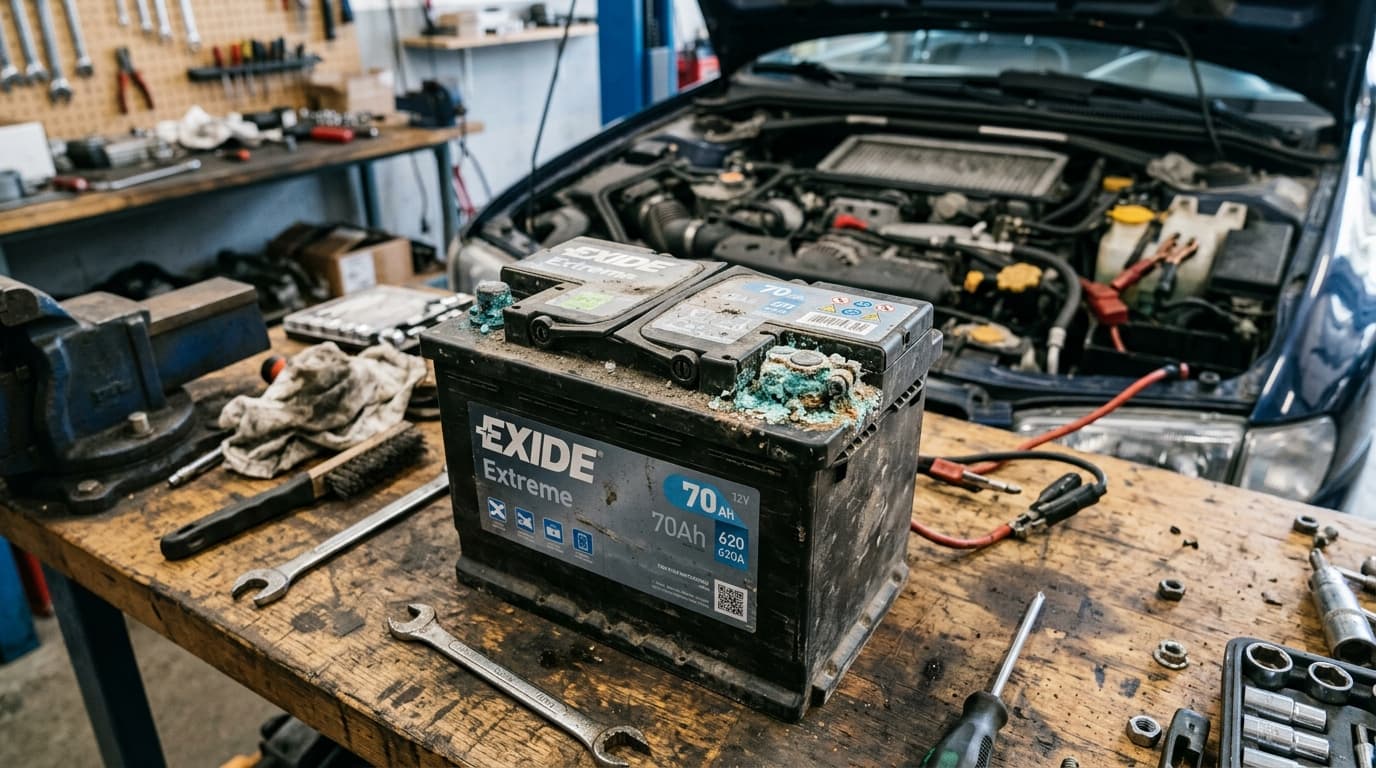
Signs Your Car Battery Is Dying: Early Warnings Every Driver Should Know
Most car batteries give clear warning signs before they fail completely. Learn the signs your car battery is dying so you can act before it leaves you stranded.
Table of Contents
Battery already failed? MW Recovery provides a jump start near you in Manchester any time, day or night. We carry professional battery support units and do a health check after the jump. Call 07553 322281.
A dead battery is the most common reason for a breakdown in the UK. The problem is that most batteries do not fail without some warning. They give signals for days or weeks before they finally give up, and recognising those signals early can save you from being stranded on a cold morning or in the middle of a journey.
This guide covers the key signs that your car battery is on its way out, what causes batteries to deteriorate, and what to do when you suspect yours is failing.
Slow Engine Cranking
This is usually the first thing drivers notice. When you turn the key or press the start button, the engine takes longer than usual to fire. Instead of starting promptly, it hesitates, labours, or makes a sluggish turning sound before catching.
This happens because the battery no longer has enough capacity to deliver the burst of power the starter motor needs. The engine still starts, but it takes more effort from a battery that is struggling to provide full output.
If you notice slow cranking even once, take it seriously. It may start fine the following day, but the issue will return and worsen, often at the least convenient moment.
Dashboard Warning Light

The battery warning light, usually a red rectangle with a plus and minus symbol, is the most obvious sign of a battery or charging system problem. It can indicate the battery itself is failing, but it is more commonly triggered by an alternator fault that is preventing the battery from charging while the engine runs.
Either way, a battery warning light that appears while driving should not be ignored. If the alternator has failed, the car is running purely on battery power and will cut out when the battery drains, which can happen within 30 minutes to an hour depending on how many electrical systems are active.
If this light appears, reduce electrical load where possible by turning off air conditioning, heated seats, and the stereo. Get to a garage or pull over and call for assistance. MW Recovery provides jump start and battery services across Greater Manchester if you need roadside help.
Electrical Components Behaving Oddly
A battery that is losing capacity often shows up through the car's electrical systems before it affects starting. You might notice:
- Headlights that seem dimmer than normal, especially when the engine is idling
- Interior lights that flicker when you start the car
- Power windows that move more slowly than usual
- The radio resetting or losing presets
- Central locking that is slower to respond or requires multiple presses
These electrical symptoms appear because a weak battery cannot maintain stable voltage across all systems simultaneously. When the starter motor draws a large current to start the engine, the remaining voltage available to other systems drops noticeably.
The Car Has Needed a Jump Start Recently
If your car has needed a jump start in the past few months, the battery should be tested straight away. A single jump start on a cold morning can be a one-off, but a battery that needs regular jump starts is telling you clearly that it is no longer holding charge properly.
Some drivers fall into a pattern of jump-starting the car regularly, telling themselves it is just the cold weather. While cold temperatures do affect battery performance, a healthy battery should still start the car in normal UK winter conditions. Repeated jump starts usually mean the battery is past its useful life.
Swollen or Corroded Battery Casing
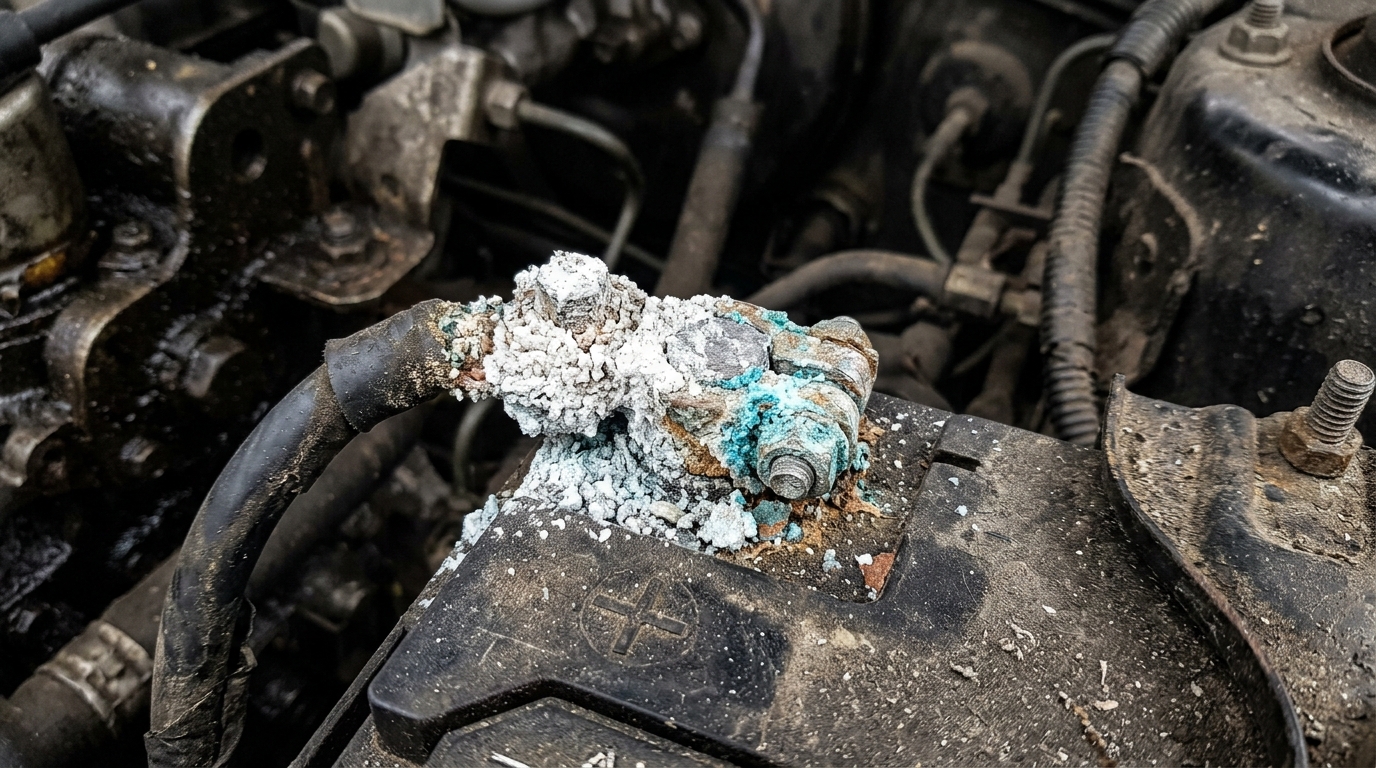
A physical inspection of the battery can reveal problems not detectable from the driver's seat. Signs to look for include:
- White or blue powder buildup on the battery terminals, which is corrosion. This increases resistance and reduces the current the battery can deliver
- A swollen or bloated battery case. This is caused by excessive heat building up inside the battery and is a sign the battery is near the end of its life
- Cracks in the battery case or signs of leaking fluid
Terminal corrosion can sometimes be cleaned and the battery may recover temporarily, but a swollen or cracked battery should be replaced without delay.
The Battery Is Over Three Years Old
Car batteries typically last between 3 and 5 years in UK conditions, though some last longer. Once a battery is past 3 years old, having it tested at a garage or tyre centre (many offer free battery checks) is sensible, particularly before winter.
Cold weather significantly increases the power a battery needs to deliver to start the engine. A battery that copes fine in summer can fail in the first cold snap of autumn or winter. Getting ahead of this rather than waiting for a failure is a much more convenient approach.
Car Does Not Start After Sitting Unused for a Few Days
If your car sits unused for several days and then struggles to start or fails to start at all, the battery is losing charge faster than it should. A healthy battery holds its charge for weeks or months without use, though all batteries self-discharge slowly.
Rapid self-discharge can indicate a battery near the end of its life, but it can also point to a parasitic drain, where something in the car's electrical system is drawing current even when the car is switched off. Both causes need attention. A garage can test for parasitic drain and assess the battery's health at the same time.
What to Do If You Think Your Battery Is Dying
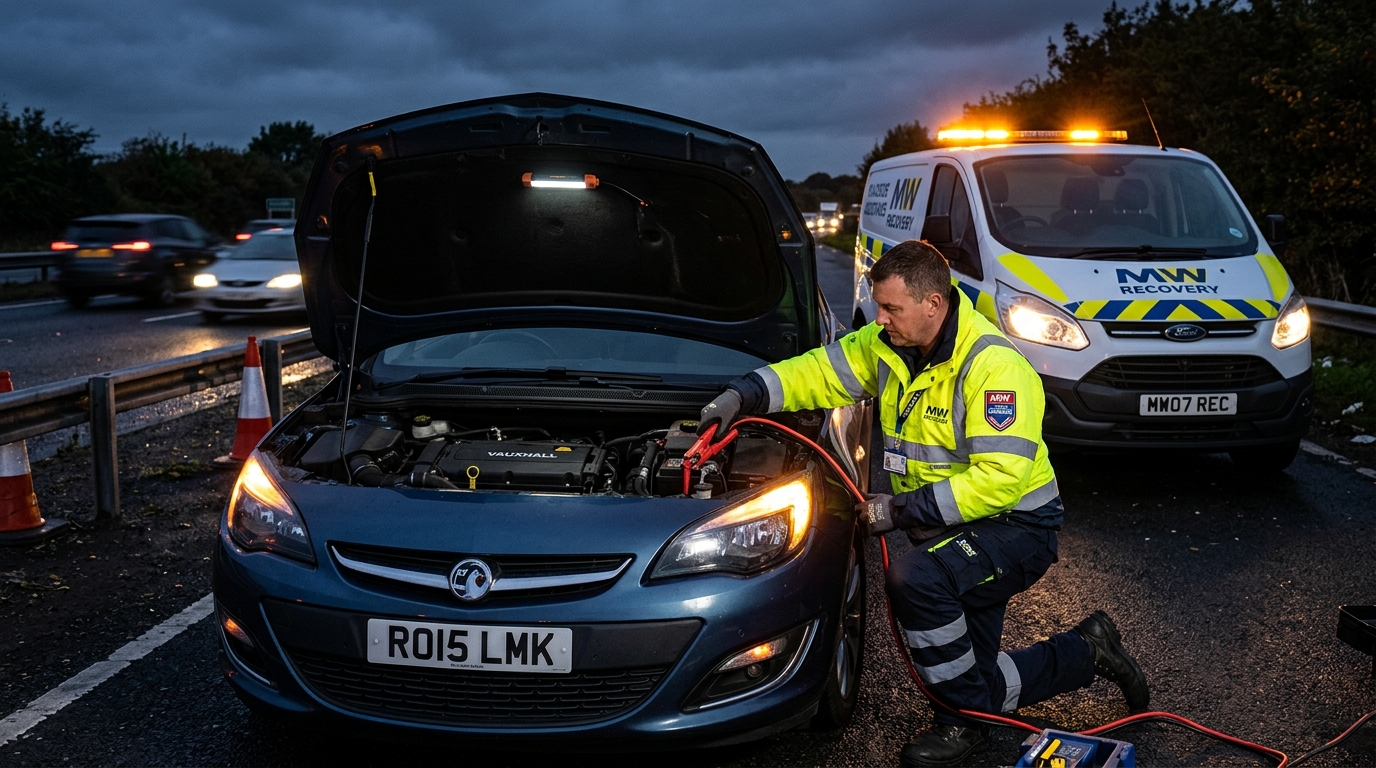
If you recognise any of these signs, the next steps are straightforward:
- Get the battery tested. Most garages and tyre centres can test a battery in a few minutes. The test measures the battery's cold cranking amps against its rated capacity to show how much of its original capacity remains
- Check the alternator at the same time. A battery that keeps going flat may be a symptom of an alternator fault rather than the battery itself. Both should be assessed together
- Replace if necessary. Battery replacement is not expensive and is straightforward on most vehicles. A new battery from a reputable brand should give several years of reliable starting
- If you are already stranded, MW Recovery provides jump start and battery services across Manchester, Salford, Stockport, and all Greater Manchester areas. We can often resolve the situation at the roadside
How to Get More Life from Your Battery
While batteries do not last forever, a few habits help them reach their maximum lifespan:
- Take the car for regular longer drives. Short journeys do not give the alternator enough time to fully recharge the battery
- Switch off all accessories before turning off the engine
- If the car sits unused for extended periods, use a trickle charger to maintain the battery
- Keep the terminals clean and free of corrosion
- Avoid running accessories like air conditioning and heated rear windows at idle for long periods
If your battery is showing signs of failure and you need roadside assistance, call MW Recovery or visit our breakdown recovery near me page for immediate help across Greater Manchester.
Frequently Asked Questions
Common questions about this topic
A dying battery will show gradual symptoms: slow engine cranking, dim lights, electrical components behaving oddly, and the need for occasional jump starts. A completely flat battery may have gone flat for a specific reason such as lights left on. If jump-starting fixes it and it holds charge fine afterwards, it may just have been discharged. If it goes flat again quickly, the battery itself is failing.
Need Car Recovery in Manchester?
MW Recovery provides fast, professional breakdown recovery and roadside assistance across all of Greater Manchester. One call and we are on our way.