
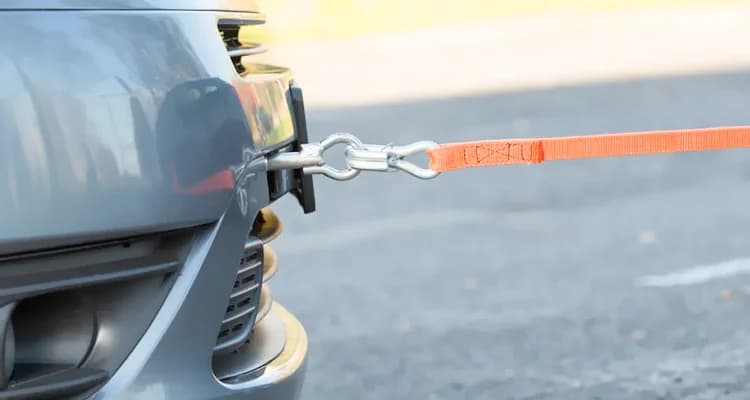
Winter Driving Tips to Avoid Breakdowns in Manchester
Prepare for winter driving in Manchester with these expert tips. From battery care to tyre checks, learn how to avoid breakdowns during the cold months.
Table of Contents
If you have lived in Manchester for any length of time, you already know that winter here can be seriously challenging for drivers. The combination of freezing temperatures, heavy rain, icy roads, and the occasional snowfall makes the months between November and March the busiest time of year for breakdown recovery companies across the region.
At MW Recovery Services, we see a noticeable jump in emergency callouts as soon as the clocks go back and the temperatures start dropping. The frustrating truth is that a large proportion of these breakdowns could have been avoided with some straightforward preparation. So we have put together this practical guide to help you get through the Manchester winter without ending up stranded at the side of the road.
Look After Your Battery Before the Cold Weather Arrives
If there is one thing you take away from this entire article, let it be this: check your battery before winter. A failing battery is the single biggest cause of winter breakdowns in the UK, and it is one of the easiest things to prevent.
Here is what happens. Cold weather reduces your battery's ability to deliver power. At the same time, winter demands more from the battery because you are using the heater, the heated windscreen, the heated seats, the headlights (because it is dark by 4pm), and the wipers pretty much constantly. A battery that coped fine during the summer months can suddenly find itself overwhelmed when winter arrives.
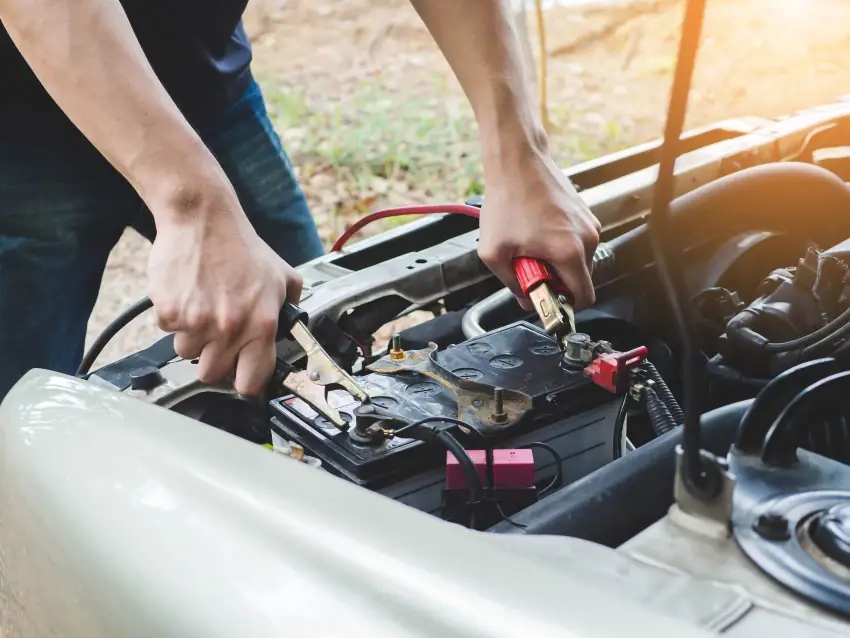
Cold mornings are the number one trigger for battery related breakdowns across Manchester
Most car batteries have a lifespan of between three and five years. If yours is approaching that age, it is well worth getting it tested before winter sets in. Most garages and motor factors will test your battery for free. Look for signs of trouble such as the engine cranking more slowly than usual when you start it, dimmer than normal dashboard lights, or the battery warning light flickering on occasionally.
You can also help your battery last longer by turning off unnecessary electrical consumers before you switch off the engine. Leaving the heater, heated seats, and radio running when you turn the key off means the battery has to power all of those back up again on the next start, which is an extra drain it does not need on a cold morning.
If your battery does let you down, our roadside assistance team can be with you quickly for a jump start, or our mobile mechanic can fit a replacement battery at your location.
Get Your Tyres Winter Ready
Your tyres are genuinely the most important safety feature on your car, and in winter they matter even more. They are the only thing connecting your vehicle to the road surface, and when that surface is wet, icy, or covered in slush, the quality and condition of your tyres makes an enormous difference to how your car handles.
Start with the basics. Check your tread depth. The legal minimum in the UK is 1.6mm, but for winter driving, the AA recommends at least 3mm. The deeper the tread, the better your tyres can channel water and slush away from the contact patch, which means better grip and shorter stopping distances.
Check your tyre pressure more frequently during winter. Cold air causes tyre pressure to drop, and underinflated tyres have less grip, wear unevenly, and use more fuel. Check pressures at least every two weeks during winter, and always when the tyres are cold (before driving).
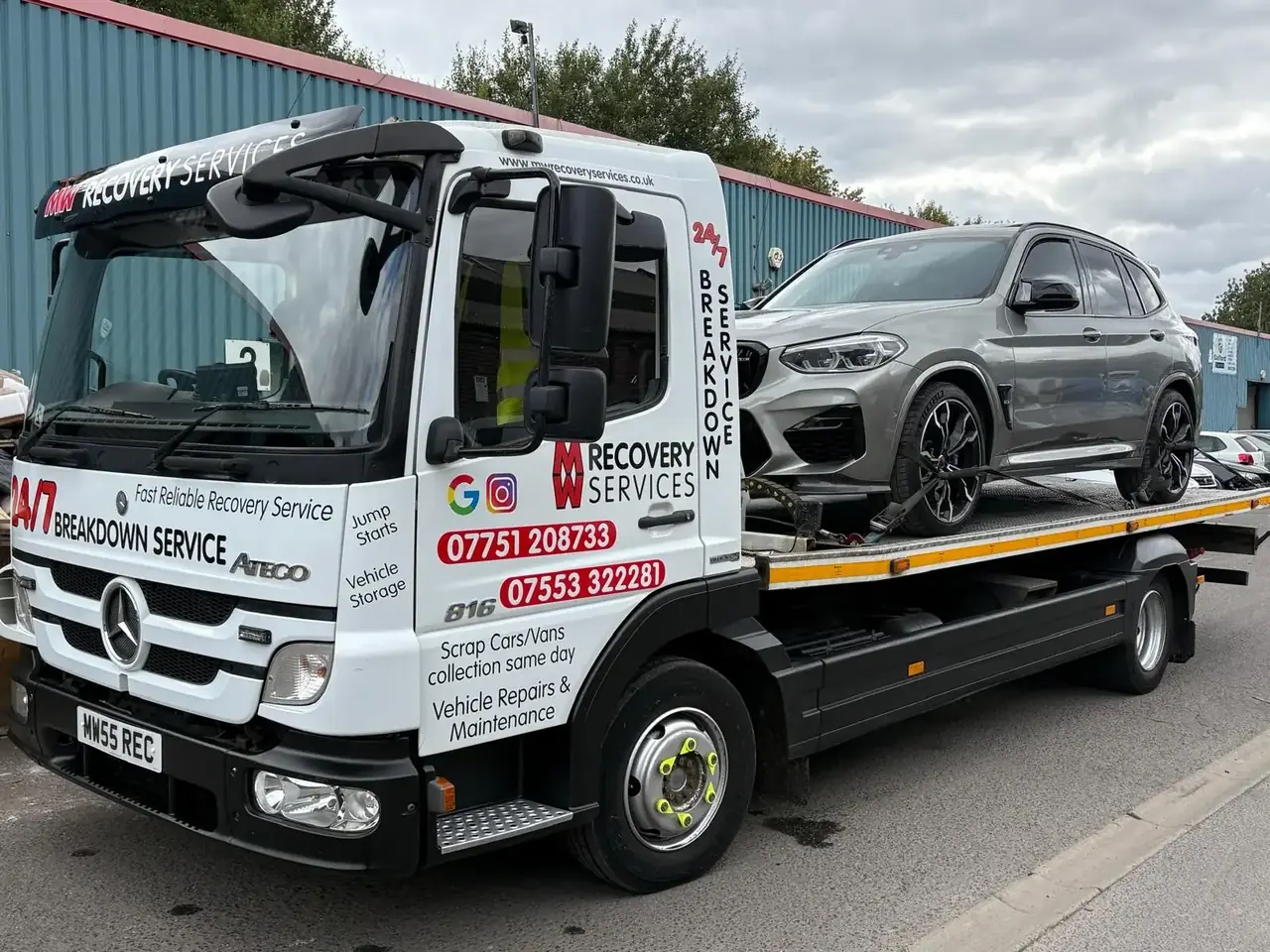
Regular tyre pressure checks become even more important during the winter months
The 20p Test: An easy way to check your tread depth is with a 20p coin. Insert the coin into the main tread grooves of your tyre. If you can see the outer band of the coin, your tread depth is below the legal minimum and the tyre needs replacing immediately. If the band is partially hidden, you are above the legal limit but may still want to consider replacement for safer winter driving.
It is also worth considering winter tyres. These are made from a softer rubber compound that stays flexible in cold temperatures (regular tyres harden and lose grip below about 7°C), and they have a tread pattern specifically designed for wet and icy conditions. In Manchester's climate, where temperatures regularly sit below 7°C from November through to March, winter tyres can make a genuinely noticeable difference to how your car feels on the road. They are an investment, but many drivers who try them say they would never go back to running standard tyres through winter.
Top Up All Your Fluids
Winter puts extra demands on almost every fluid in your car, so it is important to make sure everything is at the right level and in the right condition.
Antifreeze is the most critical one. The coolant in your engine is a mixture of water and antifreeze, and that antifreeze is what prevents the water from freezing when temperatures drop below zero. If the concentration is too low, the coolant can freeze inside the engine block, and that can cause cracks and leaks that are extremely expensive to repair. Most manufacturers recommend a 50/50 mix of antifreeze and water, and you can buy cheap testers from any motor factors to check the concentration.
Screen wash is something a lot of people forget about, but in winter you will get through a surprising amount of it. Manchester's roads get covered in road salt, and the spray from other vehicles leaves a grimy film on your windscreen that is almost impossible to remove with just the wipers. Use a winter grade screen wash that is rated to at least minus 10°C so it does not freeze in the washer bottle or on the windscreen.
Check your engine oil level as well. Cold starts put extra strain on the engine, and the oil needs to circulate quickly to protect moving parts from wear. Low oil means increased friction, more wear, and a higher risk of something giving way. It takes thirty seconds to check the dipstick and could save you a very expensive repair bill.
Make Sure All Your Lights Are Working
During winter, you will be driving in the dark far more than at any other time of year. Manchester's weather also means plenty of fog, heavy rain, and reduced visibility. Having all your lights in perfect working order is not just a legal requirement; it is a genuine safety essential.
Walk around your car and check every light. Headlights on dipped and full beam, rear lights, brake lights, indicators, fog lights (both front and rear), reverse lights, and number plate lights. It helps to have someone else watch while you activate each one, or you can back up close to a wall and look for reflections.
While you are at it, clean your headlight lenses. Over time, road grime, salt spray, and general muck can build up on the lens surface and reduce light output by as much as 50%. A simple clean with warm soapy water can make a dramatic difference to how well you can see and how visible you are to other drivers.
Put Together a Winter Emergency Kit
Even if you do everything right, winter breakdowns can still happen. Having the right supplies in your car can make the difference between a mildly inconvenient wait and a genuinely miserable or even dangerous situation.
Here is what we recommend keeping in your car from November through to March:
- An ice scraper and can of de icer. Manchester mornings regularly start with a frozen windscreen, and you need to clear it properly before driving. Never pour hot water on a frozen windscreen as it can crack the glass.
- A torch with spare batteries. If you break down after dark, which during winter could be any time after 4pm, a good torch is invaluable for checking under the bonnet or finding items in the boot.
- A high visibility jacket. If you are standing at the roadside waiting for recovery, being visible to other drivers is critically important, especially on unlit roads.
- A warm blanket, hat, and gloves. If you are waiting inside a broken down car without heating, it gets cold very quickly. Extra warmth can make the wait much more bearable, especially if you have children in the car.
- A portable phone charger. Your phone is your lifeline when you break down. If the battery dies, you cannot call for help, navigate, or let anyone know where you are. A fully charged power bank solves that problem.
- Jump leads. A set of quality jump leads means a helpful passer by could give you a start if your battery is flat, which is the most common winter breakdown scenario.
- A warning triangle. Place it at least 45 metres behind your broken down vehicle on non motorway roads to warn approaching traffic.
- Bottled water and some non perishable snacks. If you are stranded for a while, especially on a longer journey, having something to eat and drink makes a real difference.
Adjust Your Driving Style for Winter Conditions
Even the best prepared car can still get into trouble if the driver does not adjust their behaviour for the conditions. Manchester's busy road network, with its mix of motorways, dual carriageways, and tight urban streets, demands extra care during the winter months.
The most important thing is to slow down. Stopping distances on wet roads are at least double what they are on dry surfaces, and on ice they can be up to ten times longer. That means if a car in front of you brakes suddenly, you need a lot more space to stop safely. Leave at least a four second gap in wet conditions and up to ten seconds on icy roads.
Brake gently rather than jabbing at the pedal. Harsh braking on a slippery surface is the quickest way to lose control. If your car starts to skid, do not panic. Ease off the brakes, look where you want to go, and steer smoothly in that direction. Modern cars with ABS will pulse the brakes automatically; you just need to keep your foot firmly on the pedal and let the system do its job.
When driving downhill on icy or snow covered roads, use a lower gear to let the engine do the braking for you. This reduces the load on the brakes and gives you more control. In an automatic, you can usually select a lower gear manually, or use the car's winter or snow mode if it has one.
Clear all your windows and mirrors properly before setting off. It is not enough to scrape a small peephole in the frost on the windscreen. Clear all the glass, all the mirrors, and brush any snow off the roof, bonnet, and boot. Snow left on the roof can slide forward over the windscreen when you brake, and it can blow off the back and hit the car behind you.
Plan Your Journeys More Carefully
Manchester's weather can change rapidly during winter. A clear morning can turn into freezing rain or fog by lunchtime. Before setting out on any journey, take a minute to check the weather forecast and current road conditions.
The major motorways around Manchester including the M60, M62, M6, and M56 are generally well maintained and gritted during winter, but they can still be affected by snow, ice, and standing water. The higher altitude sections of the M62 towards Huddersfield are particularly notorious for winter weather. Routes like the A57 Snake Pass and the A628 Woodhead Pass are frequently closed during severe winter weather.
Allow extra time for every journey during winter. Rushing in bad conditions is one of the most common causes of winter accidents. If conditions look particularly bad, ask yourself honestly whether the journey is necessary. Sometimes the safest option is simply to wait until conditions improve.
What to Do If You Break Down in Winter
If you do break down during the winter months, here is the best approach. Turn on your hazard warning lights and your side lights so other drivers can see you. If you can move the car to a safe spot off the road, do so. But if you are stuck where you are, stay in the vehicle with your seatbelt on. It is warmer and safer inside the car than standing at the roadside in the cold and dark.
You can run the engine periodically for heat, but crack a window slightly for ventilation to avoid any risk of carbon monoxide buildup, especially if you are in traffic or near other vehicles. Call MW Recovery Services and let us know your location, the problem, and how many people are with you. Then sit tight and wait for our team to arrive.
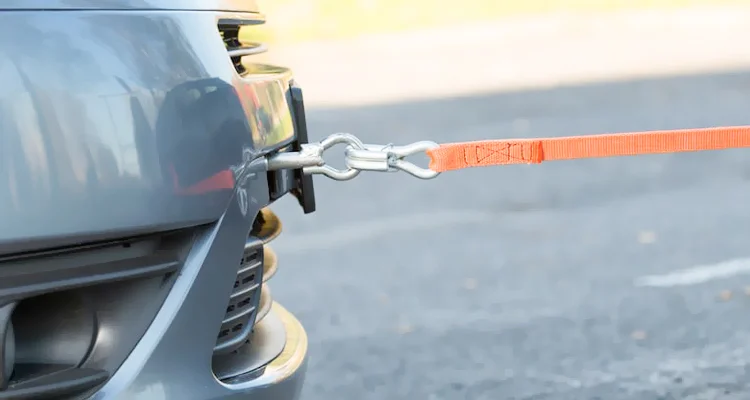
Winter conditions make roadside breakdowns more challenging, so preparation is essential
Get a Pre Winter Service
One of the smartest things any driver can do is book a full vehicle service before winter arrives. A thorough check by a qualified mechanic will catch potential problems before they leave you stranded.
A good pre winter service should cover the battery condition and charging system, brake pads, discs and fluid levels, coolant concentration and the cooling system integrity, all tyres including the spare, wiper blades and the washer system, the heater and demister functionality, and all lights and electrical systems.
If you do not have a regular garage, our Salford workshop can carry out a comprehensive check and address any issues before the cold weather sets in. It is a small investment that can save you from a lot of inconvenience and expense later in the winter.
Manchester's Winter Breakdown Hotspots
Based on years of attending winter breakdowns across Greater Manchester, we have identified several areas that tend to see higher numbers of callouts during the cold months.
The M60 motorway is always busy, and the sections around Stockport and Trafford see a lot of winter breakdowns, partly due to volume of traffic and partly because the motorway runs through some exposed sections that are prone to icing.
The M62 eastbound climbs to higher elevation as it heads towards Yorkshire, and the increased altitude means temperatures are often several degrees colder than in central Manchester. Snow and ice linger longer up there, and visibility can drop quickly in hill fog.
The A62 Oldham Road and surrounding routes through Oldham include some steep hills that become treacherous in icy conditions. Similarly, the roads around Bolton include elevated sections that are often the last to be gritted and the first to freeze.
Residential streets throughout Manchester are often the last roads to receive any gritting treatment, which means they can remain icy and dangerous long after the main roads have been cleared. Take extra care in housing estates and quieter neighbourhoods.
We Are Here for You All Winter Long
At MW Recovery Services, winter is when our drivers are at their busiest, and it is when our service matters the most. We know what it feels like to be stuck in the cold, and we make it our mission to get to you as quickly and safely as possible.
Our 24/7 emergency recovery operates every single day through winter, including Christmas Day, New Year, and every bank holiday. Our response times stay fast because we are locally based and we know Manchester's roads intimately. All our services are available year round, from flatbed recovery and tow trucks to roadside assistance and mobile mechanics.
We do not add winter surcharges or premium rates for unsociable hours. The price we quote is the price you pay, whatever the weather and whatever the time.
Whether you need us at three in the morning on a freezing January night or at midday on a snowy Saturday, just call us and we will be there. Save our number, keep your emergency kit topped up, follow the tips in this guide, and enjoy a safer winter on Manchester's roads.
For more information about our services, visit our services page. Need help right now? Head to our contact page or call us directly for immediate assistance.
Frequently Asked Questions
Common questions about this topic
We recommend carrying out your winter preparation checks in October or early November, before the worst of the cold weather arrives. This gives you time to address any issues, order parts if needed, and get everything sorted without rushing. The earlier you start, the less likely you are to be caught out by an early cold snap.
Need Car Recovery in Manchester?
MW Recovery provides fast, professional breakdown recovery and roadside assistance across all of Greater Manchester. One call and we are on our way.